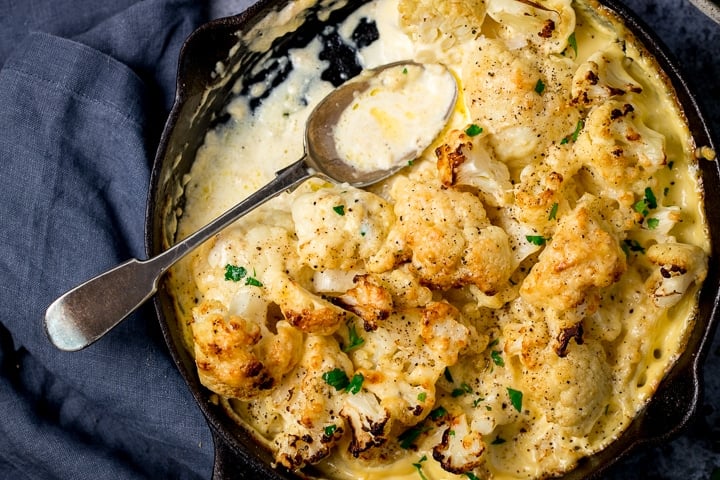
How To Make Cauliflower Cheese: From Traditional Comfort to Modern Ease
Cauliflower cheese, a beloved classic across many cultures, offers a symphony of creamy, cheesy goodness perfectly paired with tender, often slightly charred cauliflower. Whether served as a comforting side dish for a Sunday roast, a hearty vegetarian main, or a festive addition to your holiday spread, mastering how to make cauliflower cheese is a culinary skill worth cultivating. This article, the third in our series exploring this delightful dish, delves into diverse methods, from the gloriously traditional to the brilliantly quick and easy, ensuring you can create the perfect version for any occasion.The Art of Traditional Cauliflower Cheese: Embracing the Whole Plant
For those who appreciate depth of flavour and a touch of rustic elegance, the traditional method of making cauliflower cheese, particularly when utilising the entire plant, is a revelation. This approach not only champions a zero-waste philosophy but also imbues the dish with a richer, more complex taste and texture. Imagine a beautiful whole roasted cauliflower, fork-tender on the inside, slightly caramelised on the outside, draped in a rich, buttery cheese sauce. The foundation of a traditional cauliflower cheese lies in two main components: perfectly cooked cauliflower and a robust, flavourful cheese sauce.Preparing the Cauliflower: A Whole Roast Sensation
Instead of merely boiling florets, roasting a whole head of cauliflower transforms it, bringing out its natural sweetness and providing a firmer texture that stands up beautifully to the creamy sauce. The genius of using the whole plant – including the core and leaves – is that it minimises waste and adds an earthy dimension. Here’s how to achieve this:- Preheat your oven: Set it to 200°C (180°C fan)/390°F/Gas 6.
- Prepare the cauliflower: Select a fresh, firm head of cauliflower with its leaves intact. Place it on a large sheet of greaseproof paper, ensuring there’s enough paper to wrap it up later.
- Season generously: Lay 30g of butter (or two 15g slices) on top of the cauliflower. Drizzle generously with 20ml extra-virgin olive oil. Season well with sea salt and about ¼ tsp ground nutmeg. The nutmeg adds a subtle warmth that complements the cheese beautifully.
- Initial Roast: Wrap the seasoned cauliflower tightly in the greaseproof paper, creating a sealed package. Place it in a large ovenproof pot or dish. Roast for approximately one hour, or until it’s truly fork-tender when pierced through the paper.
- Achieve Charring: Carefully open the package by folding back the paper. Return the cauliflower to the oven for another 15 minutes. This step is crucial for developing those desirable charred, caramelised edges that add immense flavour and texture.
Crafting the Classic Roux-Based Cheese Sauce
The traditional cheese sauce starts with a roux – a mixture of melted butter and flour, which acts as a thickening agent. This method yields an incredibly smooth, glossy, and rich sauce. Here’s a breakdown of the process:- Melt the butter: In a medium saucepan, melt 50g of butter over a low heat.
- Create the roux: Stir in 60g of plain flour (wholegrain varieties like buckwheat or spelt add a lovely nutty undertone, but regular plain flour works perfectly). Add 1 tsp mustard powder (or a teaspoon of Dijon mustard) and ¼ tsp turmeric. The mustard provides a piquant note that enhances the cheese flavour, while turmeric adds a beautiful golden hue. Cook, stirring constantly, for two minutes to cook out the raw flour taste.
- Whisk in the milk: Gradually whisk in 500ml of whole milk, adding about a third at a time. The key here is to whisk vigorously after each addition to ensure there are no lumps. Continue whisking until the sauce is smooth before adding the next batch of milk.
- Thicken and flavour: Bring the sauce to a gentle boil, stirring continuously. Once it thickens, remove it from the heat.
- Incorporate the cheese: Stir in 150g of grated cheese, such as Red Leicester, until it’s fully melted and the sauce is perfectly smooth and creamy. Red Leicester offers a rich, slightly sweet flavour and a vibrant orange colour.
Assembling and Finishing
Once both components are ready, assemble your masterpiece:- Transfer: Carefully transfer the roasted cauliflower to an ovenproof serving dish.
- Sauce and top: Pour the luscious cheese sauce evenly over the cauliflower. Sprinkle with the remaining 100g of grated cheese.
- Grill to perfection: Turn your grill (broiler) to medium-high. Cook for about five minutes, or until the cheese is beautifully melted, bubbly, and slightly charred in spots.
- Serve: Garnish with fresh thyme leaves if desired, and serve immediately with a simple green salad and perhaps some radishes to cut through the richness.
The Modern Marvel: Effortless Cauliflower Cheese Without a Roux
Sometimes, time is of the essence, or perhaps you’re looking for a gluten-free alternative without compromising on flavour. This is where the "no-roux" cauliflower cheese shines. This method, often thickened with cornflour (cornstarch), is remarkably quick, easy, and yields a luxuriously creamy sauce in under 30 minutes.The Genius of Cornflour Thickening
The absence of a roux simplifies the process significantly. Instead of cooking flour and butter, cornflour is dissolved in a small amount of cold milk or water and then whisked into warm milk and cheese, achieving a silky-smooth consistency without the constant stirring required for a roux. Benefits of this approach include: * Speed: Whip up the sauce in about 10 minutes. * Ease: Minimal prep and less technique required. * Gluten-Free: Cornflour is naturally gluten-free, making this a fantastic option for those with dietary restrictions. * Cost-Effective: Often, this method can be more budget-friendly, costing as little as 77p per serving, depending on your choice of cheeses.Crafting the Luxurious No-Roux Cheese Sauce
This method embraces a multi-cheese blend for a more complex flavour profile. A popular combination includes extra mature cheddar for sharpness, Red Leicester for colour and sweetness, and American cheese (or a similar melting cheese like mozzarella) for an incredibly smooth, gooey texture. Here’s a simplified approach:- Prepare cauliflower: Slice your cauliflower into florets and steam or boil until tender-crisp. You want them cooked but still holding their shape.
- Heat milk and cheese: In a saucepan, gently heat whole milk over a low to medium heat. Add your chosen blend of grated cheeses.
- Create cornflour slurry: In a small bowl, whisk 1-2 tablespoons of cornflour with a splash of cold milk or water until smooth.
- Thicken the sauce: Once the cheese in the saucepan is mostly melted and the milk is warm, slowly whisk in the cornflour slurry. Continue to stir gently until the sauce thickens to your desired consistency. Season with salt, pepper, and a pinch of mustard powder if you like.
- Combine and bake: Transfer the cooked cauliflower florets to an ovenproof dish. Pour the creamy cheese sauce over the top. Bake in a preheated oven (around 180°C/350°F) for 15-20 minutes, or until bubbling and golden. A quick blast under the grill at the end will add a lovely crust.
Elevating Your Cauliflower Cheese: Beyond the Basics
No matter which method you choose, there are countless ways to customise and elevate your cauliflower cheese to truly make it your own.- Cheese Combinations: Experiment! Gruyère adds a nutty depth, smoked cheddar a wonderful aroma, or a touch of Parmesan for an umami kick. Don't be afraid to mix and match.
- Spice it Up: A pinch of cayenne pepper or smoked paprika can add a subtle warmth and colour to your cheese sauce. A hint of garlic powder or a roasted garlic clove blended into the sauce can also work wonders.
- Herbaceous Notes: While thyme is classic, fresh rosemary, chives, or even a sprinkle of chopped parsley can brighten the flavour profile.
- Crunchy Toppings: For an extra layer of texture, consider a topping of Panko breadcrumbs mixed with a little melted butter and grated Parmesan before grilling. Crispy fried onions or bacon bits also make a delicious addition.
- Serving Versatility: Cauliflower cheese isn't just a side! Serve it as a main course with a crisp green salad, or as a hearty meal prep option. It's fantastic alongside a traditional Sunday roast, a Thanksgiving turkey, or Christmas ham.
Frequently Asked Questions About How To Make Cauliflower Cheese
Q: Can I use frozen cauliflower?
A: Yes, you can. Ensure it's thoroughly defrosted and patted dry before cooking to prevent excess water from diluting your sauce. Roasting from frozen can also work, just extend the cooking time.
Q: How do I prevent a lumpy cheese sauce?
A: For roux-based sauces, ensure you cook the roux for at least two minutes, then whisk in the milk *gradually* – a third at a time – whisking vigorously after each addition. For cornflour sauces, mix the cornflour with cold liquid first to create a smooth slurry before adding it to the warm milk and cheese.
Q: What are the best cheese combinations for cauliflower cheese?
A: A blend often works best! Sharp cheddar for flavour, a good melting cheese like Red Leicester, Gruyère, or Monterey Jack for texture, and a touch of Parmesan for saltiness and depth. Avoid extremely strong cheeses dominating the flavour unless that's your intention.
Q: Can I make cauliflower cheese ahead of time?
A: Absolutely! You can assemble the dish a day in advance, cover it, and refrigerate. Add an extra 10-15 minutes to the baking time to ensure it's heated through. You can also make the cheese sauce ahead and store it separately, reheating gently before combining with the cooked cauliflower.